




 Vetted & approved carers
 DBS checked & insured

Being told that your Care Agency is giving notice can feel very unsettling, especially if your loved one depends on regular visits for safety, personal care, medication prompts, meals or reassurance. You may have been told that an agency is closing down, no longer has staff available, or is handing the care package back to the council.
It can feel like everything has to be solved at once, but a gap in care can often be avoided if you act quickly. If you are wondering what to do when your Care Agency gives notice, the first step is to understand when the current care will end, what support needs replacing, and how to start finding a new carer at short notice.
This situation is more common than many families realise. It’s rarely anything the family or the person receiving care has done wrong. Care agencies may withdraw for practical reasons, such as staffing shortages, rota problems or changes to the way they operate.
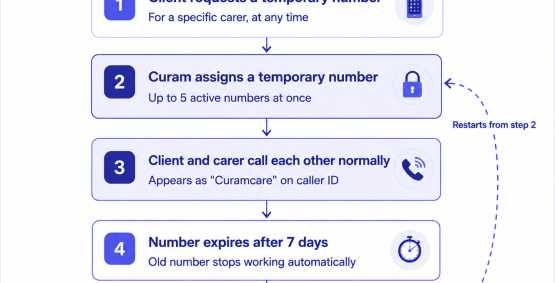
Curam can help families search for trusted, vetted carers and arrange replacement home care quickly, 24/7. Depending on your location, the support needed and carer availability, families can find a replacement carer on the same day, or within 48 hours on Curam.
First steps if your care is about to stop
When a Care Agency gives notice, it can be hard to know what to do first. The most important thing is to stay focused on the immediate information you need to avoid a gap in support.
Start by confirming the final date and time your current care provider will deliver care. Ask for this in writing, even if the notice was first given by phone. This gives you a clear deadline and helps you explain the situation to your local authority, NHS team, social worker, family members or new carer.
Next, ask for a copy of the current care plan, rota and visit schedule. This should include the support currently being provided, the times of visits, key risks, medication prompts, mobility support, personal care needs, meal support and any routines that help your loved one feel settled.
It can also help to write down what matters most. For some families, the priority is keeping morning and evening personal care in place. For others, it may be overnight care, dementia support, medication prompts, help after a hospital stay, or making sure someone is not left alone for long periods.
Once you know when the current care ends and what needs replacing, begin arranging alternative support straight away. You can search for carers near your loved one on Curam, message suitable carers directly through the platform and explain that your current Care Agency has given notice.
Why agencies hand back packages, and why it is not your fault
Care agencies can hand back packages for several reasons. This may happen because they do not have enough staff to cover the rota, because a particular care route is no longer manageable, or because the provider is closing down, restructuring or changing the areas they cover.
In council-funded care, an agency may also hand a package back to the Local Authority if they can no longer deliver the support safely or consistently. This can feel personal when it affects your family, but it usually reflects pressure on the provider rather than anything you or your loved one has done wrong.
Sometimes a care package becomes harder to cover because care needs have changed. Your loved one may now need two carers, more frequent visits, longer calls, dementia support, waking night care or more flexibility than the agency can provide.
If your agency is closing down, finding replacement care quickly often becomes the priority. Whatever the reason behind the notice, the next step is the same: find out when care will stop, tell anyone involved in funding or care planning, and begin looking for replacement support as early as possible.
Curam gives families another way to arrange care directly. Instead of waiting to be assigned a replacement carer by an agency, you can browse local carers, compare experience and availability, message carers via the app and choose the person who feels right for your loved one.
Arranging replacement care quickly
When an existing care arrangement is ending, speed matters. Families often need to replace their home care provider quickly, so their loved one is not left without essential support.
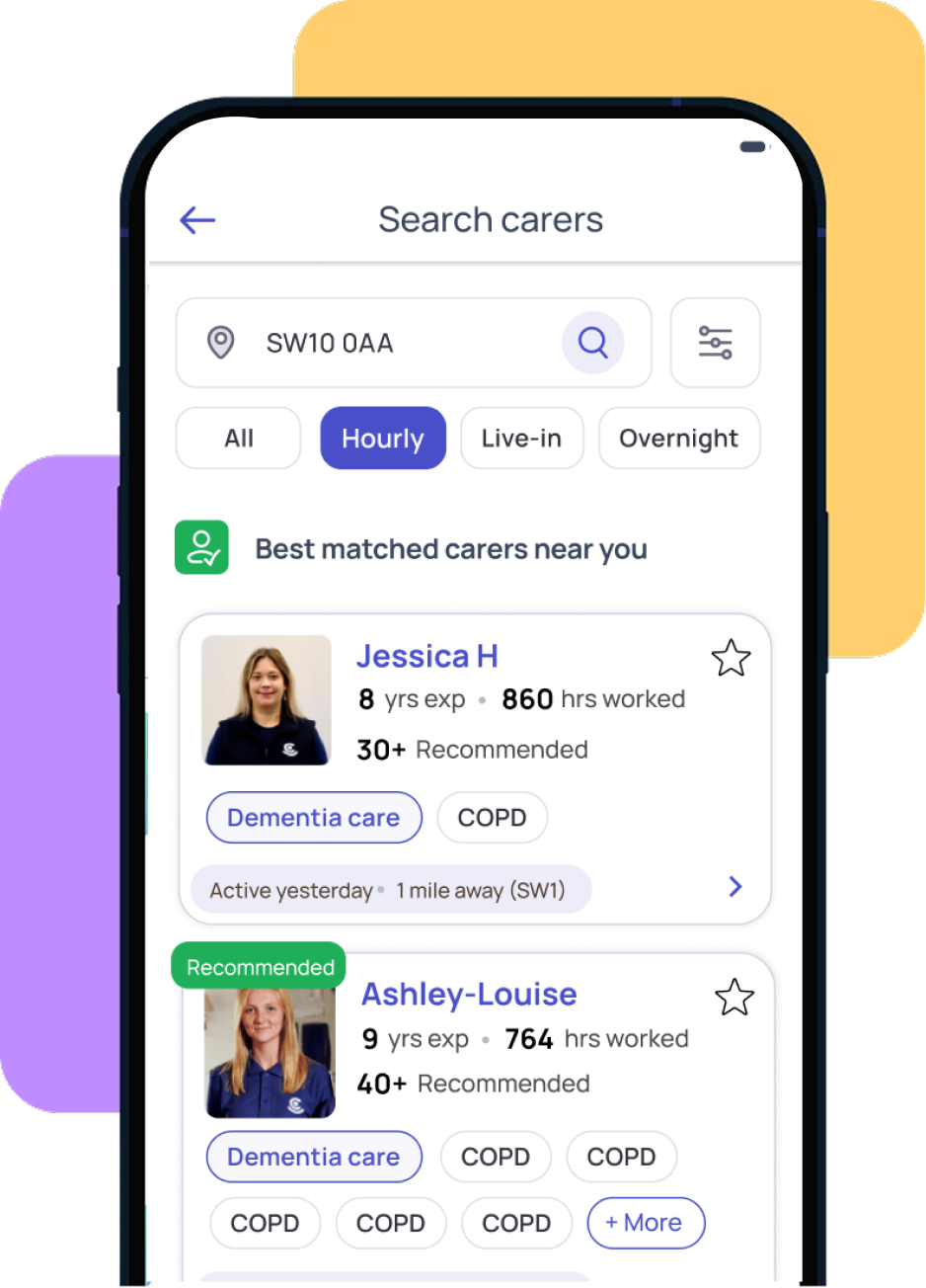
With Curam, you can start by entering the postcode where care is needed and searching for carers nearby. You can use filters to look for carers with the right experience, such as elderly care, dementia care, personal care, mobility support, companionship care, overnight care or live-in care.
You can also post a care job explaining that your current Care Agency has given notice and that replacement care is needed quickly. Include the location, start date, preferred visit times, current care tasks and any specialist support required. Suitable Care Professionals can then apply directly to your posted job.
Families can review profiles, experience, reviews, availability and hourly rates before deciding who to contact. You can message carers directly through Curam to explain the care you need, ask questions and check whether they are able to cover the days and times needed.
Before booking, you can also use CuramMeet, our in-app audio and video call feature, to speak with a carer. This gives you and your family the chance to discuss your loved one's needs, talk through routines and get a better feel for whether the carer is the right fit before care begins.
Once you have found the right match, you can agree the details of care directly through Curam with your chosen carer. This includes when care will begin, the support required, daily routines and any practical arrangements within the home. Before the shift can begin, a service agreement must be created and the shift invoice needs to be set up through Curam, so both the client and carer are clear on what has been agreed.
How quickly a new carer can start through Curam
Families have been able to arrange replacement care through Curam in a little as 30 minutes. Timing all depends on location, care needs and carer availability. In some urgent situations, same-day care may also be possible if suitable carers are available nearby.
The fastest way to begin finding a new carer at short notice is to search by postcode and contact carers who are already available in your loved one's area. Posting a care job can also help, especially if you need specific times, urgent cover, weekend care, overnight care or more than one carer.
If your current agency has only given a few days' notice, be clear about the deadline when speaking to carers. Let them know the final date of the existing care package, when the first replacement visit is needed and whether the arrangement is short-term, ongoing or likely to change.
Curam is available online 24/7, so families can search, post a job and message carers outside normal office hours. This can be especially helpful when notice is given late in the day, before a weekend, or shortly before a bank holiday.
What to have ready to avoid a gap in care
Having the right information ready can make it easier to find a replacement carer quickly.
Before contacting carers, try to prepare a short summary of your loved one's needs. This should include the type of support required, the current visit times, preferred start date, any mobility needs, medication prompts, personal care tasks, meal support, continence care, dementia support, communication needs and any risks a carer should know about.
It is also helpful to have the current rota, care plan and key contact details ready. If your loved one has a social worker, district nurse, GP, family contact or power of attorney involved in their care, make sure you know who should be updated.
Practical details can also help the first visit run more smoothly. This might include how the carer will enter the home, where equipment is kept, whether there are pets, how meals are usually prepared, what routines your loved one prefers and what helps them feel calm or reassured.
The clearer the information, the easier it is for a new carer to understand the role and decide whether they are the right person to help.
Keeping continuity for someone with dementia or complex needs
A change in care can feel especially difficult for someone living with dementia, Parkinson's, reduced mobility, anxiety, stroke recovery needs or more complex health conditions. Familiar routines, familiar faces and predictable support can make a real difference.
If your care provider has given notice, try to keep as much of the existing routine as possible. Share the current care plan with any new carer and explain the small details that matter, such as preferred wake-up times, how personal care is usually approached, favourite meals, communication style, mobility equipment, signs of distress and what helps your loved one feel safe.
For someone with dementia, it may help to introduce the new carer gently. This could mean arranging a short first visit, using CuramMeet, Curam’s in-app audio and video call feature that lets families speak with carers before booking, or arranging a handover where a family member talks through the routine before care begins.
If needs are more complex, be honest with potential carers from the beginning. Explain whether your loved one needs help with moving and handling, continence care, personal care, medication prompts, night-time reassurance, confusion, wandering, or support from more than one person.
Curam allows families to compare carers based on experience, reviews, availability and care skills. This gives you more control when choosing someone who understands your loved one's needs, rather than simply accepting the first available replacement.
If your care is council-funded or NHS-funded
If your current care is funded by the council or NHS, tell the relevant team as soon as your provider gives notice. This may be your social worker, direct payment adviser, Local Authority care team, NHS Continuing Healthcare team or personal health budget contact.
Council-funded and NHS-funded clients may still have options when a provider withdraws, but the right route depends on how the care is currently arranged. Some people have care commissioned directly by the council or NHS. Others receive a personal budget, direct payment or personal health budget that gives them more choice over who provides care.
Do not assume your funding will automatically stop because one provider can no longer continue. In many cases, the funding relates to your loved one's assessed needs, not one specific Care Agency. However, you should always confirm this with the council, NHS team or social worker before making changes.
If you want to arrange care through Curam, ask whether the funding can be used as a direct payment, personal budget or personal health budget, and what records or invoices they need from you.
You may also find it helpful to read Curam's guide to NHS Continuing Healthcare funding, the NHS guidance on personal budgets and direct payments, the GOV.UK guide to applying for direct payments, and NHS guidance on personal health budgets.
Using direct payments to choose your own carer
Direct payments can give families more control over how care is arranged. Instead of the council arranging services directly, a direct payment may allow the person receiving care, or someone acting on their behalf, to choose and pay for care that meets their assessed needs.
This can be helpful if a Care Agency has handed back a package and you need to find a replacement quickly. With direct payments, families may be able to arrange support through Curam, choose the carer they feel comfortable with and build a care routine around their loved one's needs.
Before using direct payments, speak to your Local Authority or direct payment adviser. Ask whether the funding can be used to arrange care through Curam, what paperwork is needed, how payments should be managed and whether any approval is required before care begins.
Curam provides service agreements and shift invoices through the platform, helping families keep a clear record of the care that has been arranged.
Telling your social worker you are arranging cover
If your care is council-funded, it is important to keep your social worker or Local Authority contact informed. Let them know that the current agency has given notice, when the final visit will take place and that you are looking for replacement care.
You can also ask whether they can help prevent a gap in support. This might include reviewing the care package, confirming the budget, explaining direct payment options or advising what evidence they need if you arrange care privately.
When you find a possible replacement carer, share the proposed start date, hours and type of support with your social worker or funding contact if required. This can help the transition run more smoothly and reduce the risk of delays.
If your loved one receives NHS Continuing Healthcare or a personal health budget, contact the NHS team responsible for the package and ask how to arrange replacement support without interrupting funding.
Questions to ask before you commit to a new carer
When you need care quickly, it can be tempting to choose the first available person. Availability matters, but it is also important to feel confident that the carer has the right experience, approach and understanding of your loved one's needs.
Before booking a new carer, you may want to ask:
-
What experience do you have with my loved one's care needs?
-
Are you available on the days and times we need support?
-
Can you cover the first visit before the current agency stops?
-
Have you supported someone with dementia, mobility needs, personal care, continence care, medication prompts or complex needs?
-
Are you available for extra visits, overnight care or weekend care if needs change?
-
How do you usually communicate updates to families?
-
Are you comfortable working alongside family members, district nurses, social workers or other professionals involved in care?
-
Can we arrange a CuramMeet audio or video call before confirming care?
You should also explain what the current Care Agency does at each visit, what has worked well, what has been difficult and what routines your loved one prefers. This gives the new carer a better understanding of the role before they agree to start.
Clear communication at the beginning can help avoid confusion later and make the change feel less stressful for everyone involved.
Frequently Asked Questions
Can I arrange a replacement carer the same week?
Yes, many families can arrange a replacement carer the same week through Curam, depending on location, availability and the type of support needed.
You can start by searching for carers near your loved one's home, messaging suitable carers directly and explaining when the current Care Agency is due to stop. You can also post a care job so available Curam carers can apply directly.
If care is needed urgently, it helps to have the current rota, care plan, visit times, support tasks and preferred start date ready before contacting carers.
What if my agency only gave me a few days' notice?
If your Care Agency gave notice of only a few days, ask for the final date of care in writing and contact anyone involved in funding or care planning straight away. This may include the council, social worker, NHS Continuing Healthcare team or direct payment adviser.
At the same time, begin searching for replacement care. Curam allows families to search by postcode, compare carers, message them directly and arrange support quickly. Some clients have been able to find suitable care in as little as 30 minutes, although this depends on location, carer availability and the type of care needed. In many areas, carers may be able to start within 24 to 72 hours, depending on availability and the support required.
It may also help to post a care job explaining that your current agency has given notice and that urgent cover is needed.
Will I lose my council funding if I switch provider?
You should not assume that you will lose council funding simply because your Care Agency has given notice. In many cases, funding is based on your loved one's assessed care needs, but the process for changing provider depends on how the package is managed.
If the council currently commissions the care directly, speak to your social worker or Local Authority care team before making changes. If your loved one receives direct payments or a personal budget, ask whether you can use that funding to arrange care through Curam.
Always confirm the rules with your Local Authority before switching provider, so you understand what can be paid for, what records are needed and whether approval is required.
Find replacement care through Curam
When a Care Agency gives notice, it can feel like time is running out. But with the right information and quick action, it is often possible to find replacement care before the current support ends.
Curam helps families search for trusted, vetted carers in their loved one's local area. You can compare profiles, check experience and availability, message carers directly, use CuramMeet audio or video calls through the Curam app
Whether your loved one needs hourly care, personal care, dementia support, companionship, overnight care, live-in care or urgent short-term cover, Curam gives you a practical way to start finding a new carer at short notice 24/7.
Start by searching for carers near your loved one or posting a care job on Curam today, so replacement care can be arranged before your current agency care stops.
Written by: Max Huianu, Marketing Intern at Curam
Edited and reviewed by: Eve Leefe-Griffiths, Marketing Manager at Curam and/or Curam Care Support Team
Last reviewed: August 2026