

 Vetted & approved carers
 DBS checked & insured
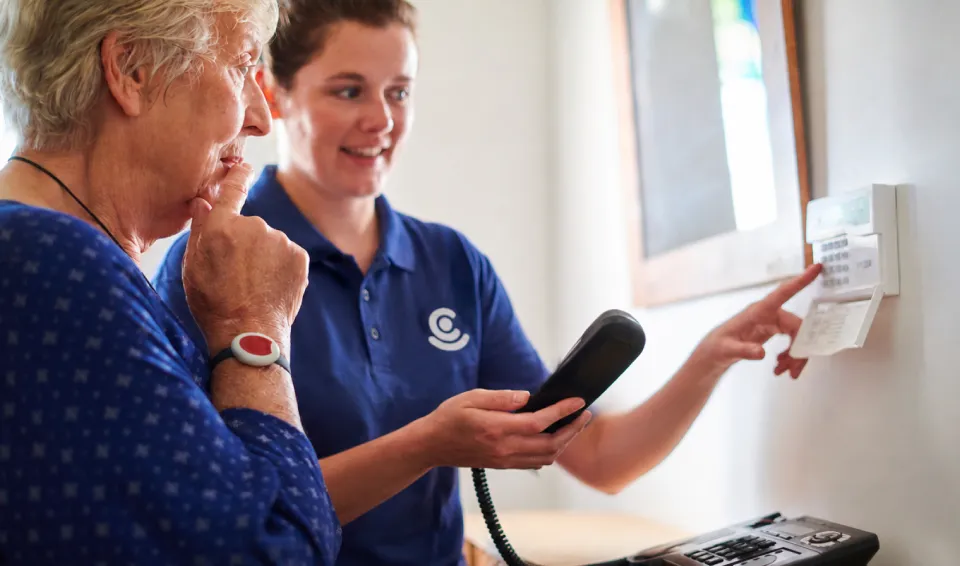
After a loved one has a fall, it can be difficult to know what support they may need next. They might still be managing most things independently, but you may feel less comfortable with them being alone, particularly when getting up, moving around the house or during the night.
For many families, this is when options such as personal alarms and home care start to come into the conversation. The right choice will depend on what has changed since the fall, how confident your loved one feels at home and whether they may now need a little extra support.
This guide looks at what personal alarms and carers can each offer, where their limitations are and when using both may be helpful. If your loved one has just fallen, may be injured or cannot get up, read our guide to what to do when an elderly person has a fall at home first.
The short answer: it depends on the level of risk
A personal alarm gives someone a way to call for help if something happens. A carer provides practical support in person and can help at the times your loved one is more likely to struggle, such as getting out of bed, washing, dressing, preparing meals or using the bathroom.
For someone who is still largely independent and at a lower risk of falling, an alarm may provide useful extra reassurance. If your loved one now needs help with everyday activities or is becoming less steady, in-person support may be more appropriate. Many families also choose to use both.
If your loved one has fallen more than once, seems less steady than usual or is finding everyday tasks harder, it is worth speaking to their GP or healthcare team. An alarm or extra care may help, but it is also important to understand whether anything else could be increasing their risk of falling.
| What your relative needs | Personal alarm | Home carer |
|---|---|---|
| A way to alert someone after a problem | Can send an alert, depending on the device and connection | Can seek help while present |
| Assistance with washing, dressing or meals | Cannot provide practical assistance | Can help with agreed tasks |
| Support during visits to the toilet | Can summon help if activated | Can assist during agreed care hours |
| Help between scheduled care visits | May provide an additional way to raise an alert | Requires visits or cover to be arranged |
| Company and reassurance | Contact is usually focused on responding to an alert | Can provide ongoing companionship during care hours |
Neither option guarantees that a fall will not happen.
What a personal alarm does
A personal alarm allows someone to raise an alert if they need help, often by pressing a button on a pendant or wrist device.
Depending on the system, the alert may go to a family member, carer or 24-hour monitoring centre. Some systems can also use sensors to raise alerts automatically. The NHS describes personal alarms and monitoring systems as telecare.
Before choosing an alarm, find out who receives the alert, what they do next and how someone would enter the home if your relative could not reach the door.
Types of personal alarm
The terms can overlap: a wrist alarm, for example, may include fall detection and connect to a monitoring centre.
- Pendant or wrist alarms: wearable devices with a button the person presses for help.
- Monitored alarms: alerts go to a response centre, which follows the agreed response procedure.
- Family-contact alarms: alerts go to nominated relatives, friends or carers.
- Automatic fall detection alarms: sensors attempt to recognise a fall and raise an alert.
- GPS-enabled alarms: some mobile devices can share location information when used outside the home.
Check the individual device’s coverage, connectivity and response arrangements. Features vary, and an alarm intended for use at home may not work on a trip to the shops.
Who an alarm on its own may suit
A personal alarm may be enough for someone who is still largely independent, has a relatively low risk of falling and does not need regular hands-on help with everyday tasks. They also need to be able and willing to wear the device and use it reliably if something goes wrong.
That includes being willing to wear it, understanding when to activate it and following any charging instructions. There also needs to be a workable response plan.
Include your loved one in the decision wherever possible. A device they find uncomfortable or regularly leave on a table may offer less reassurance than the family expects.
What an alarm cannot do
A personal alarm cannot prevent a fall or provide practical help in the home. It cannot help someone get out of bed, wash or dress, prepare a meal, prompt them about medication or provide the regular companionship that a carer can offer.
There are practical limits too:
- Button-operated alarms rely on activation. Someone may be unable to press the button after a fall.
- Automatic detection can miss falls. It should not be treated as a guarantee.
- An alert does not mean immediate arrival. Someone still needs to respond and reach the person.
- The device needs to work where it is used. Power, charging, connection and coverage requirements matter.
Automatic fall detection can be helpful, but it is not guaranteed to recognise every fall. Age UK notes that detection can depend on factors such as how the device is worn and the impact of the fall, so it is important to understand the limitations of the alarm you choose.
For someone living with dementia, remembering to wear the alarm or knowing when to activate it may become more difficult. Consider what your loved one can comfortably manage now and review the arrangement if their memory, confidence or support needs change. Our dementia care page explains options for at home support.
What a carer adds
A carer can provide practical support before something goes wrong, particularly at the times your loved one is more likely to need help. This might be first thing in the morning, while washing or dressing, when moving around the home, during trips to the bathroom or when getting ready for bed.
Depending on the agreed tasks and their competence, this might include:
- Help getting up, washed and dressed.
- Assistance moving around or using the toilet.
- Preparing meals and drinks.
- Agreed Medication prompts.
- Company and reassurance.
- Noticing and reporting changes in how your relative is managing.
Hourly care can cover particular parts of the day. Overnight care may help when difficulties arise at night.
For more substantial daily needs, live-in care may be worth discussing. A live-in carer still needs agreed working hours, breaks and sleep; frequent night-time needs may require additional cover.
If your loved one needs physical help moving or transferring, make sure the carer has the right experience and understands any equipment or moving-and-handling guidance already in place. Depending on the person’s needs, one carer may not always be able to provide this support safely on their own.
How quickly Curam can arrange a carer after a fall
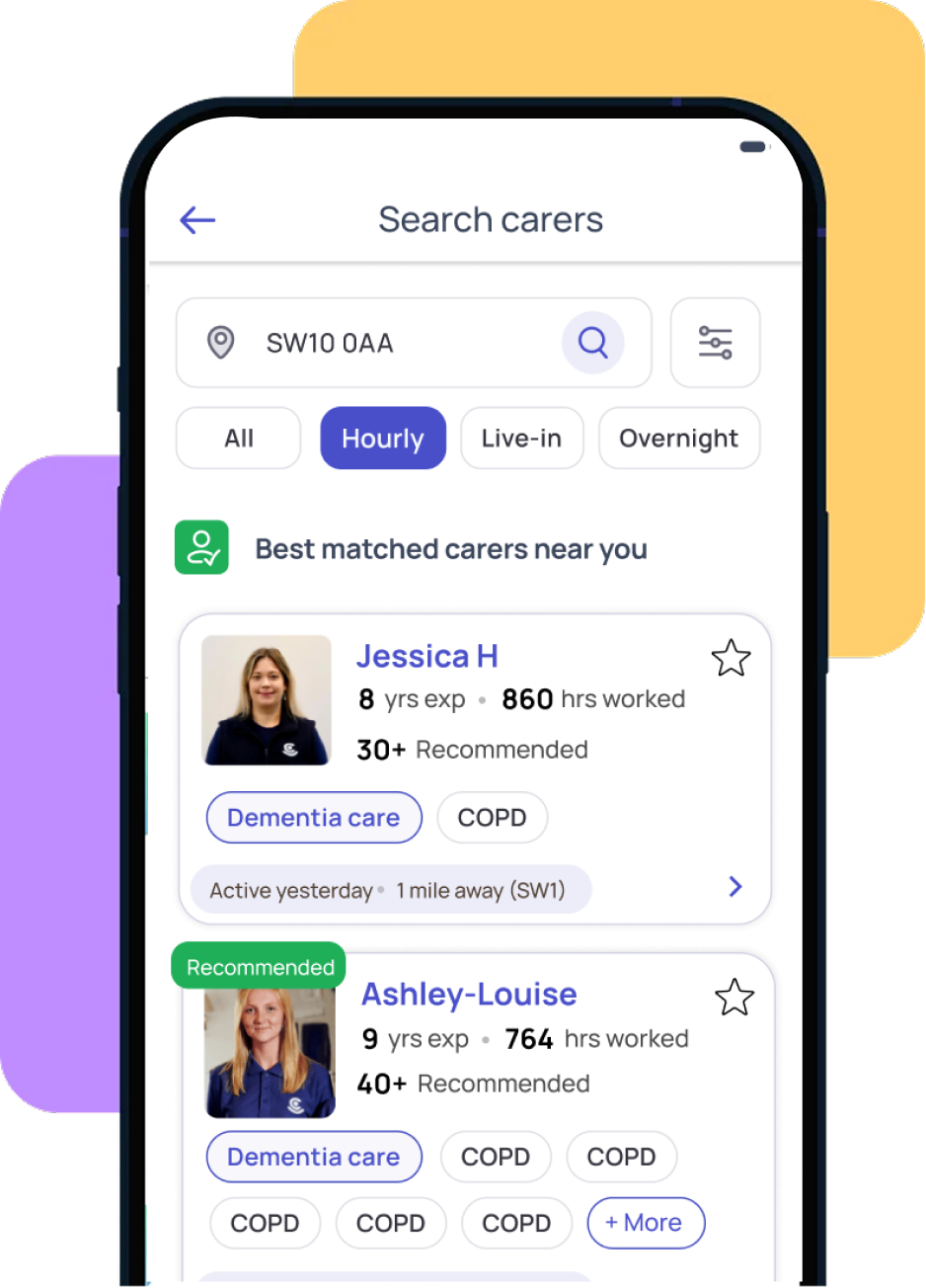
Once any immediate medical needs have been addressed, you can begin exploring practical support through Curam:
- Post your care needs or search by postcode.
- Review profiles for suitable experience, availability and rates.
- Message or video call carers to explain what has changed.
- Agree tasks, hours and a start date with your chosen carer.
Applications often arrive within hours, and most families interview and start care within a few days. Timing depends on local availability and the support required.
Care Professionals joining Curam go through our vetting process before they can offer care through the platform. This includes bank-level biometric ID checks, right-to-work checks, two UK work references and an Enhanced DBS, PVG or AccessNI check where applicable. Families can also review each Care Professional’s experience, qualifications and profile information before deciding who they would like to contact.
Using an alarm and a carer together
An alarm and scheduled visits can serve different purposes within the same plan.
For example, your relative might receive morning help with washing, dressing and breakfast, followed by an evening visit to prepare dinner. They wear an alarm between visits, with a clear arrangement for responding to alerts.
This is an illustration rather than a recommendation for a particular level of care. If your loved one cannot safely manage alone between visits, having an alarm does not automatically make those periods safe. They may need more regular in-person support.
Agree the details:
- Who responds to an alert?
- Who is available if the first contact cannot answer?
- How will responders enter the home?
- Who checks charging, testing and maintenance?
- What changes would trigger a review of the arrangement?
With the appropriate permissions in place, Care Professionals can use Care Notes in the Curam app to record relevant updates about the care provided. FamilyCircle can also help relatives stay connected and informed, which can be particularly useful when more than one person is involved in supporting Mum or Dad.
Questions to help you decide
Think about what your loved one’s day and night actually look like, particularly the times when nobody else is there. It can help to consider where they are coping well and where they may now need a little more support.
- Have they fallen more than once or had recent near misses?
- Can they get around their home confidently?
- Are washing, dressing, meals or toilet visits becoming difficult?
- Would they reliably wear and activate an alarm?
- Are memory or communication difficulties affecting their ability to seek help?
- Are nights a particular concern?
- Who could realistically respond, and how quickly?
- What support does your relative feel comfortable accepting?
If you are worried about repeated falls or changes in your loved one’s mobility, speak to their GP or healthcare team. You can also ask your local council for a care needs assessment, which can help you understand what support, equipment or changes at home may make everyday life safer and easier.
Costs to consider
For an alarm, ask about equipment, installation, monitoring subscriptions, optional features and cancellation terms. Check whether the service includes someone attending the home or only contacting nominated responders.
Some councils offer telecare services or help with costs, depending on local arrangements and eligibility. GOV.UK provides guidance on finding a telecare provider.
For home care, costs depend on the carer’s rate, visit length, frequency and type of support. Confirm the full amount, including applicable fees and agreed expenses.
Use Curam’s home care cost calculator as a starting point, then discuss your requirements with suitable carers.
Frequently Asked Questions
Is a personal alarm enough for someone who keeps falling?
A personal alarm may be useful as part of the arrangement, but repeated falls can be a sign that more support is needed. An alarm can call for help after something happens, but it cannot provide hands-on support with mobility, personal care or everyday routines. Speak to the person’s GP or healthcare team and consider whether some in-person care would help at the times they are most at risk.
Do personal alarms detect falls automatically?
Some include automatic fall detection; others require the user to press a button. Detection has limitations and may miss a fall. Ask the provider exactly what the device detects and what the wearer should do if they need help.
Can someone with dementia use a personal alarm?
It depends on the person and the device. Some people can use one reliably, while others may forget to wear it or not understand when to press it. Keep reviewing whether the alarm is still working well for them. If they are forgetting to wear it, struggling to understand what it is for or becoming less able to ask for help, they may benefit from more regular in-person support.
Can a carer come in just at night?
Yes. Overnight care can be arranged without daytime visits. A sleeping night may suit occasional agreed help, while waking night care provides an awake carer for frequent assistance or supervision. Discuss the person’s usual night-time needs before choosing.
Find support after a fall through Curam
Start with what has changed since the fall. Your loved one may only need an extra way to call for help, or they may now need practical support at particular times of the day or night. For some families, a combination of both works best.
If in-person support would help, Curam makes it possible to search for vetted Care Professionals near you, compare profiles, experience, rates and availability, and contact suitable carers directly.
Once you post a care job, it is common for Care Professional applications to start arriving within minutes, and many families interview and start care within a few days, depending on local availability and the support required.
Find a carer through Curam or read our guide to what to do after a fall at home.