




 Vetted & approved carers
 DBS checked & insured

If an elderly parent or relative suddenly seems confused, disorientated or very different from usual, it can be frightening.
They may not know where they are, struggle to follow a conversation, become unusually agitated or appear much more sleepy than normal. The change may happen within hours rather than gradually.
Sudden confusion should not be put down to ageing or left to see if it passes. NHS guidance says to get medical help immediately if someone suddenly becomes confused. Go to A&E or call 999, particularly if the change has developed over hours or days.
If they also have signs of a stroke, serious difficulty breathing, chest pain, are difficult to wake, have had a serious fall or head injury, or their condition is deteriorating quickly, tell the emergency services straight away.
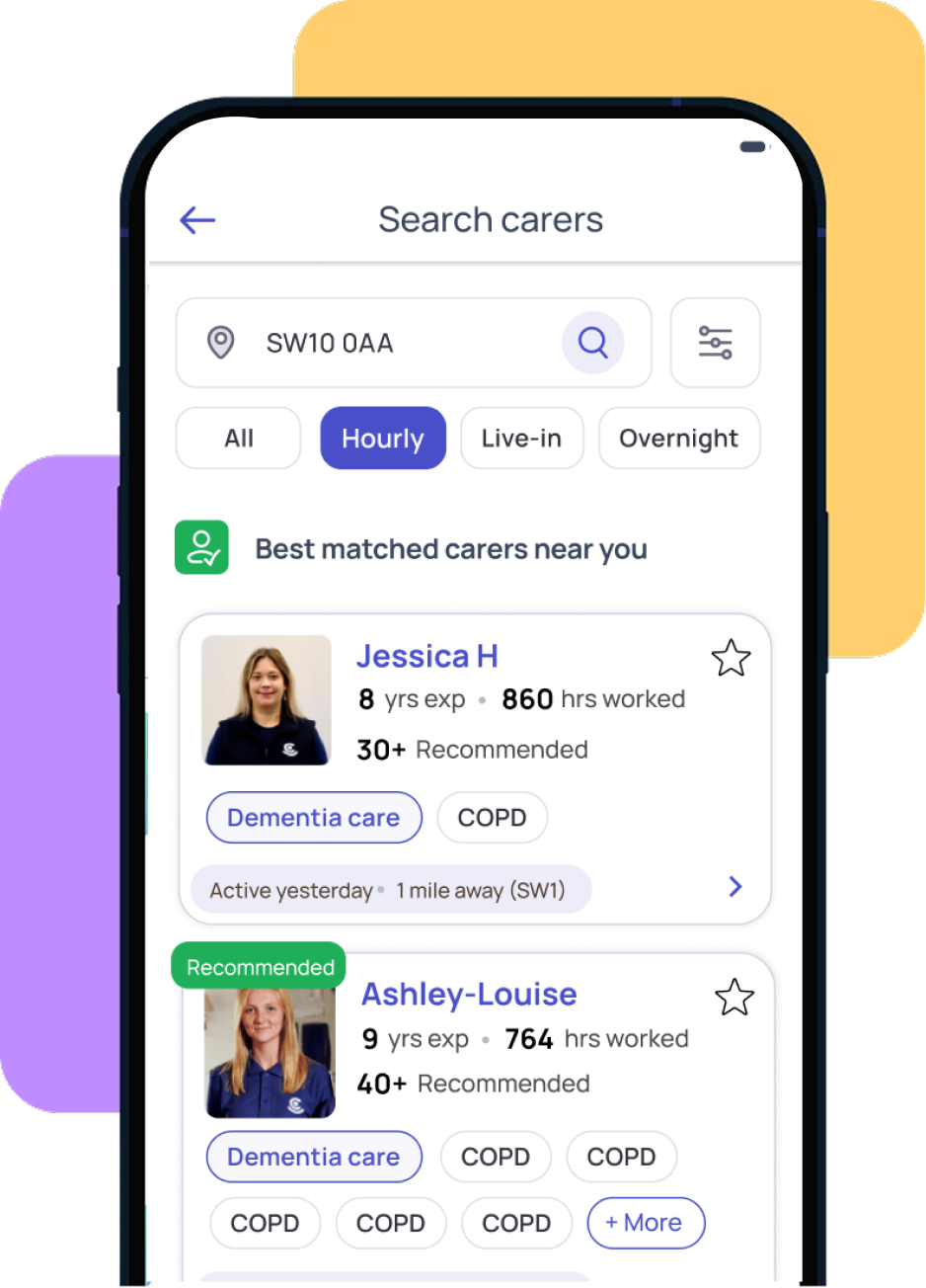
Once appropriate medical help is in place, the next concern is often making sure the person is safe and not left alone. Curam can help families search for vetted carers at short notice, including same-day support where suitable carers are available nearby.
Important: This article provides general information only. It cannot identify the cause of sudden confusion or replace advice from a doctor or other healthcare professional.
Sudden confusion is a warning sign, not something to wait on
A sudden change in someone's thinking, awareness or behaviour is sometimes referred to medically as delirium.
Unlike ordinary forgetfulness, the change often develops quite quickly. Someone who seemed like themselves yesterday may suddenly:
- Not know where they are
- Struggle to recognise familiar people
- Have difficulty following a conversation
- Seem unusually agitated or distressed
- Become very sleepy or less responsive
- Say things that do not make sense
- Have difficulty concentrating
- Behave noticeably differently from normal
NHS guidance says sudden confusion can have many different causes and advises getting medical help rather than trying to work out the cause yourself. The key word here is sudden.
If your elderly mother or father has gradually become more forgetful over months or years, that is different from somebody becoming noticeably confused over a few hours or days.
When to get medical help straight away
Sudden confusion needs immediate medical assessment because some of its possible causes can be serious or life-threatening. Do not wait to see whether the person improves on their own or assume the change is a normal part of getting older.
When to call 999
NHS guidance says to go to A&E or call 999 if someone suddenly becomes confused. When speaking to the emergency services, mention any other symptoms or recent events, particularly:
- Signs of a stroke
- Severe chest pain
- Serious breathing difficulties
- Loss of consciousness
- A serious fall or head injury
- A seizure
- Rapid deterioration in their condition.
For a possible stroke, remember FAST:
Face – has one side of their face dropped?
Arms – can they raise both arms and keep them there?
Speech – is their speech slurred, confused or difficult to understand?
Time – if you notice any of these signs, call 999 immediately.
Stroke and transient ischaemic attack symptoms often begin suddenly, and NHS guidance says to call 999 even if the symptoms later improve.
When to call 111 or the GP
If there are no obvious signs of a life-threatening emergency but you are worried about a sudden change in someone's behaviour or awareness, seek medical advice promptly.
NHS 111 can help direct you to the most appropriate service if you are unsure what to do. Do not wait for a routine appointment several days away if the confusion has appeared suddenly.
It can help to tell the healthcare professional:
- When you first noticed the change
- How quickly it developed
- What the person is normally like
- Whether there are any other new symptoms
- Whether they have recently been unwell
- What medicines they take
- Whether any medicines have recently changed
- Whether they have fallen or injured themselves
That information can help the clinical team understand what has changed.
Getting support in place quickly
Once medical help has been sought, families often face another immediate question:
Can this person safely be left at home alone?
Someone who is confused may forget to eat or drink, become anxious, try to leave the house, struggle with medication routines or become less safe when moving around the home.
Even if a family member can stay initially, that may not be practical around the clock. Short-term home care can provide reassurance while the person is being assessed, recovering from an illness or returning home after hospital treatment.
Curam can be searched 24/7, allowing families to look for available carers soon as home support is needed. Many carers offer same-day availability, and in some urgent situations support may be possible within a few hours, depending on the person’s location, the time of the request, their care needs and local availability.
How quickly Curam can arrange a carer
If care is needed urgently, the process can begin immediately. With Curam, you can:
1. Explain what support is required
Share the person's location, current situation and the type of practical help they need.
2. Search for suitable carers nearby
Browse profiles and compare carers based on experience, availability, rates and relevant care skills.
3. Speak to carers directly
You can message potential carers and use CuramMeet to arrange an audio or video conversation before deciding who you are comfortable with.
4. Agree the care and start date
Once you have found a suitable carer, you can discuss the person's routine, practical requirements and when care can begin. Curam is available online 24/7, so families can search outside normal office hours.
In urgent situations, same-day support may be possible where an appropriate carer is available nearby. Timing will always depend on location, availability and the support required.
How sudden confusion differs from dementia
Sudden confusion and dementia are not the same thing. Dementia usually causes a gradual decline in memory, thinking or communication over months or years.
Sudden confusion develops much more quickly — sometimes within hours.
A person living with dementia can also develop sudden confusion on top of their usual symptoms, so a dementia diagnosis should not be used as a reason to ignore an abrupt change in behaviour or awareness.
For example, if someone who normally knows their home and relatives suddenly becomes disorientated, unusually sleepy or much more confused than usual, seek medical advice. Only a healthcare professional can establish what is causing the change.
If you are looking for information about ongoing cognitive decline rather than a sudden change, see our guide to dementia care at home.
Common causes of sudden confusion
Sudden confusion can have many different causes, and the symptoms alone cannot tell you what is responsible. Possible causes include infections, stroke or TIA, low blood sugar in someone with diabetes, a head injury and some medicines. Other health problems can also contribute, which is why immediate medical assessment is important.
Infections, including urine infections
Infections can be associated with sudden confusion, and UTIs are one recognised cause in older people. However, sudden confusion does not automatically mean someone has a UTI, and families should not try to identify the cause themselves. The person still needs prompt medical assessment so a clinician can establish whether an infection or something else is responsible.
Dehydration, medication and other causes
Other factors can also contribute to a sudden change in someone's mental state.
These may include:
- Dehydration
- Some medicines
- Recent changes to medication
- Pain
- Constipation
- Low blood sugar in people with diabetes
- Head injury
- Stroke or TIA
- Other acute illnesses
This is not a checklist for diagnosing the problem at home. Different causes can look similar, which is why prompt professional assessment matters.
What you can do while you get help
While waiting for medical help, stay with the person and keep reassuring them. Tell them who you are and where they are, and use simple words and short sentences. Avoid repeatedly testing their memory or asking lots of questions, as this may make the situation more distressing. If possible, make a note of the medicines they take and have this ready for the medical team.
Avoid bombarding them with questions such as repeatedly asking what day it is or demanding that they remember information. This can make someone who is already frightened or confused more distressed.
You can also gather useful information for the medical team, including:
- Their medication or medication list
- When the confusion began
- Whether it appeared suddenly or gradually
- Any recent illness
- Any falls or injuries
- Other symptoms you have noticed
Do not stop prescribed medication or start new treatment unless a healthcare professional advises you to do so.
What a carer can help with during and after recovery
A home carer does not replace medical treatment and cannot diagnose why someone is confused. Their role is practical.
Once appropriate medical advice has been obtained, a carer can help make sure the person has support with everyday life while they recover or while further assessments are taking place.
Depending on the agreed care plan, this may include:
- Personal care such as washing and dressing
- Preparing meals and drinks
- Encouraging regular hydration
- Medication prompts where appropriate
- Help getting around the home
- Companionship and reassurance
- Maintaining familiar routines
- Support during the night
- Accompanying the person to appointments
- Keeping family members updated and raising concerns if they notice a change from the person’s usual routine or wellbeing
Having someone there to provide calm, practical support can help while the person recovers and adjusts to being back at home. Where ongoing care is needed, having a consistent professional carer can also help them become more familiar with the person’s usual routine and preferences.
Curam carers can provide different levels of help depending on the person's needs, including hourly care, overnight care and live-in care.
If your relative is returning home after medical treatment, you may also find our guide to care after hospital discharge useful.
Frequently Asked Questions
Can a urine infection cause sudden confusion?
Yes. A UTI can be associated with sudden confusion in older people, but confusion should not automatically be assumed to be caused by a urine infection. Sudden confusion can have several possible causes and needs immediate medical assessment. Follow NHS advice and go to A&E or call 999 if someone suddenly becomes confused.
Is sudden confusion always serious?
There are many possible causes and they vary in severity, but sudden confusion should always be taken seriously.
NHS guidance advises getting medical help if somebody suddenly becomes confused rather than trying to diagnose the cause yourself.
Call 999 if the person also has signs of a stroke, serious breathing problems, severe chest pain, becomes unresponsive or appears seriously unwell.
How soon can care be arranged at home?
Once urgent medical care has been arranged and support at home is appropriate, families can start searching Curam straight away. The platform is available 24/7, and many carers offer same-day availability. In some urgent situations, care may be possible within a few hours, depending on location, the type of support needed and which carers are available nearby.
Find urgent support at home through Curam
Sudden confusion can turn an ordinary day into an emergency very quickly. The first step is medical: get the person appropriately assessed and do not try to diagnose the cause yourself.
Once medical help is underway, you can start thinking about what they will need at home. They may need somebody with them for a few hours, help during the night, additional support after leaving hospital or more regular care while they recover.
Curam makes it possible to search for vetted carers near you, compare their experience and availability, contact suitable carers directly and choose the person you feel is right for your family. You can also use CuramMeet, Curam’s in-app audio and video call feature, to speak with carers before booking.
The platform is available 24/7, including evenings and weekends. Depending on location, care needs and availability, same-day support may be possible, with some Care Professionals able to start within a few hours.
Need someone to support your loved one at home following a sudden change in their health?
Find a vetted carer near you and see who may be available to help.